Israeli Winemakers Offer Vintages For Easter
Enjoy wines that are rooted in the Holy Land and connections to the Bible, and to modern life, and celebrations.
As families around the world gather in just three weeks to celebrate Easter or Pascha, the commemoration, renewal, and promise of the Resurrection of Christ, wines from Israel offer a uniquely meaningful way to connect ancient tradition with modern celebration. Jews also enjoy Israeli wines, and not only during Passover.
Blending thousands of years of winemaking heritage with cutting-edge agricultural innovation, the holy land of Israel has emerged as one of the most spiritually resonant wine regions in the world. Today, vineyards flourish in regions that surround many of the cities central to bringing the story of Easter to life through the wines of the land where it unfolded. Representing nearly 40 wineries nationwide, the Israeli Wine Producers Association (IWPA) unites boutique estates and leading producers under one banner to educate, promote, and introduce U.S. consumers to Israel’s world-class wines—many cultivated in proximity to historic cities referenced throughout the New Testament.
“Easter is a celebration that speaks to enduring values—freedom, hope, renewal, and community,” said Josh Greenstein, Executive Director of IWPA. “Israeli wines are uniquely positioned to bring those themes to life at the table. Each bottle reflects not only exceptional craftsmanship, but a living connection to the land and traditions that have shaped faith and culture for millennia,” he added.
According to Wines of Israel:
"Wine has been produced in this area for thousands of years, and while Israel’s viticultural roots are, in a sense, Old World, Israeli wines fall squarely into the New World category. The modern state of Israel was established in 1948, and at that time, the nascent country’s budding wine industry consisted of 14 commercial wineries. Today, there are more than 300 wineries, including 70 that harvest 50 tons of grapes or more a year—and the 10 largest produce more than 90 percent of Israel’s wine. The rest are boutique and medium-sized wineries. The country is also home to many garagiste winemakers.
"Wines from classic French varieties, such as Cabernet Sauvignon, Merlot, Syrah, Chardonnay, and Sauvignon Blanc are the country’s most revered, however, there is a growing interest in wine made from Mediterranean varieties—and from the area’s native grapes. Israel has a total of 5,500 hectares under vine. Approximately 60,000 tons of grapes are harvested annually."
Wines from the Cities of the Easter Story
Jerusalem & The Mount of Olives
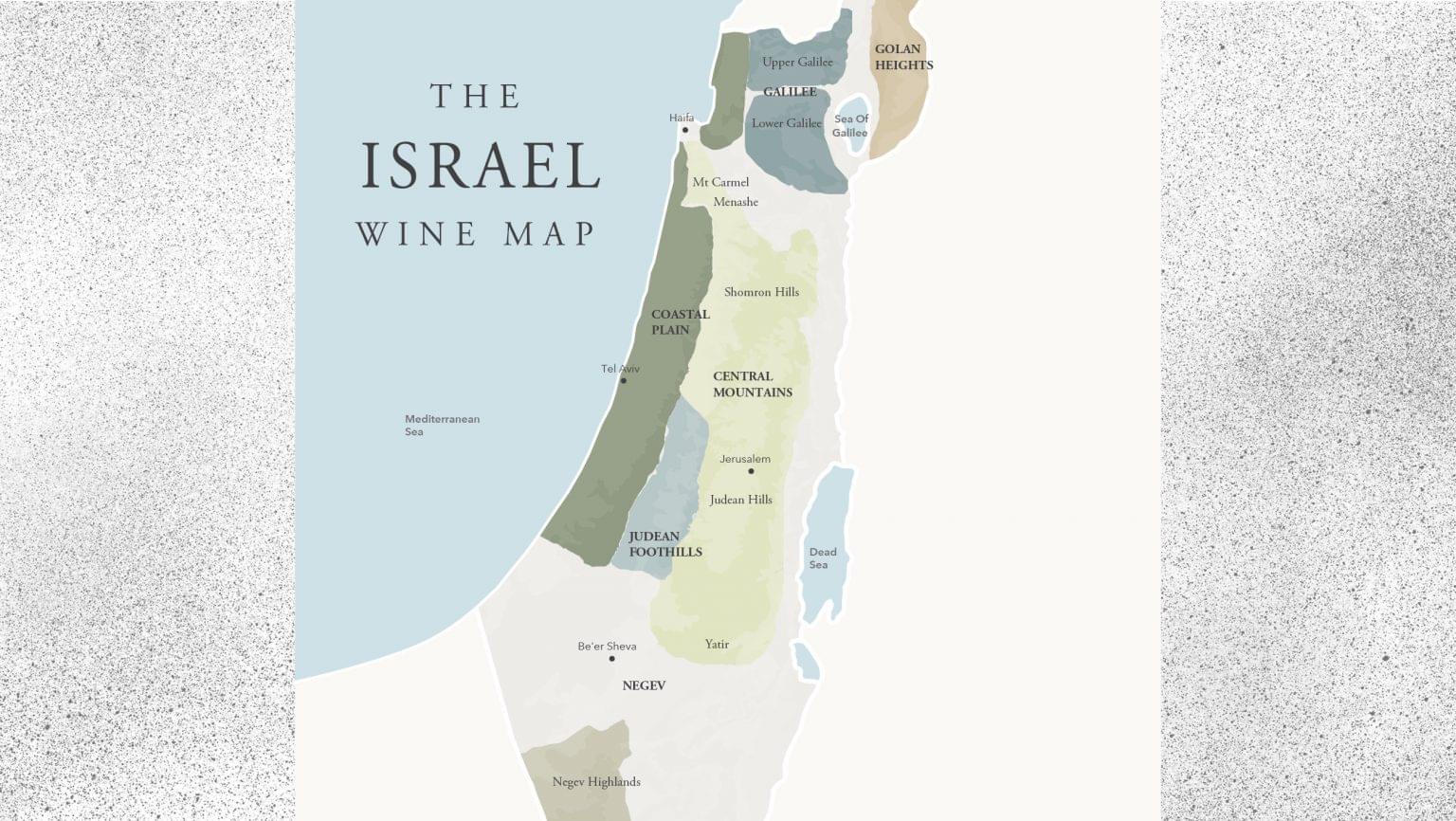
At the spiritual heart of the Easter story—from the Last Supper to the Resurrection—Jerusalem is surrounded by the historic vineyards of the Judean Hills. IWPA member wineries located within this region include:
• Psagot Winery
• Shiloh Winery
• Tura Winery
• Flam Winery
• Domaine du Castel
• Raziel Winery
• Tzuba Winery
• Ben Porat Winery
These estates produce expressive Cabernet Sauvignon, Syrah, and revived indigenous varietals such as Dabouki, believed to date back to biblical-era viticulture.
Bethlehem & The Judean Region
Located just south of Jerusalem, Bethlehem lies within the broader Judean wine region—where limestone-rich soils and terraced vineyards mirror those cultivated for millennia. IWPA wineries operating in this region include:
• Gush Etzion Winery
• Teperberg Winery
• Zion Winery
Wine has long symbolized joy, sanctification, sacrifice, and celebration during Easter meals. Today, Israeli wines offer a deeper connection—bringing a tangible expression of the very land where many of these sacred traditions originated
Here, winemakers craft Bordeaux-style blends alongside Mediterranean varietals such as Grenache and Petite Sirah—reflecting both tradition and modern craftsmanship.
Nazareth & Cana (Galilee Region)
In the rolling hills of the Upper Galilee, near Nazareth and Cana—where the first miracle of turning water into wine is believed to have taken place—IWPA wineries such as:
• Netofa Winery
• Odem Mountain Winery
• Or Haganuz Winery
• Carmel Winery
• Binyamina Winery
• Tulip Winery
• Tabor Winery
• Kamisa Winery
• Gros Winery
• Feldstein Winery
The region produces vibrant Sauvignon Blanc, Chardonnay, and Mediterranean reds.
Indigenous grapes such as Dabouki and Argaman are also being revived across the Galilee and Jezreel Valley—offering floral aromatics and rich spice notes tied to Israel’s ancient winemaking traditions.
The Jezreel Valley
Situated along the route between Nazareth and Jerusalem, the fertile Jezreel Valley remains one of Israel’s oldest agricultural corridors. IWPA member:
• Jezreel Valley Winery
The Jezreel Valley specializes in Mediterranean varietals such as Carignan, Syrah, and Argaman—bringing ancient regional flavors into the modern glass.
Wine has long symbolized joy, sanctification, sacrifice, and celebration during both Passover Seders and Easter meals. Today, Israeli wines offer a deeper connection—bringing a tangible expression of the very land where many of these sacred traditions originated. Wine is essential as an element of the central act of Catholic and Orthodox worship, in which it is metamorphosed as part of the Body and Blood of the Resurrected Jesus Christ in the Holy Sacrifice of the Mass or Divine Liturgy.
The IWPA unites Israel’s diverse wineries under one mission: to elevate global recognition of Israel as a premier wine-producing country. The association encourages wine lovers to explore bottles that stand proudly beside those from Italy, France, Spain, and Argentina.