Universities Harbor Illegal Immigrants While Pushing DEI
Illegal migrant enrollment helps universities meet demographic thresholds associated with preferential public funding.
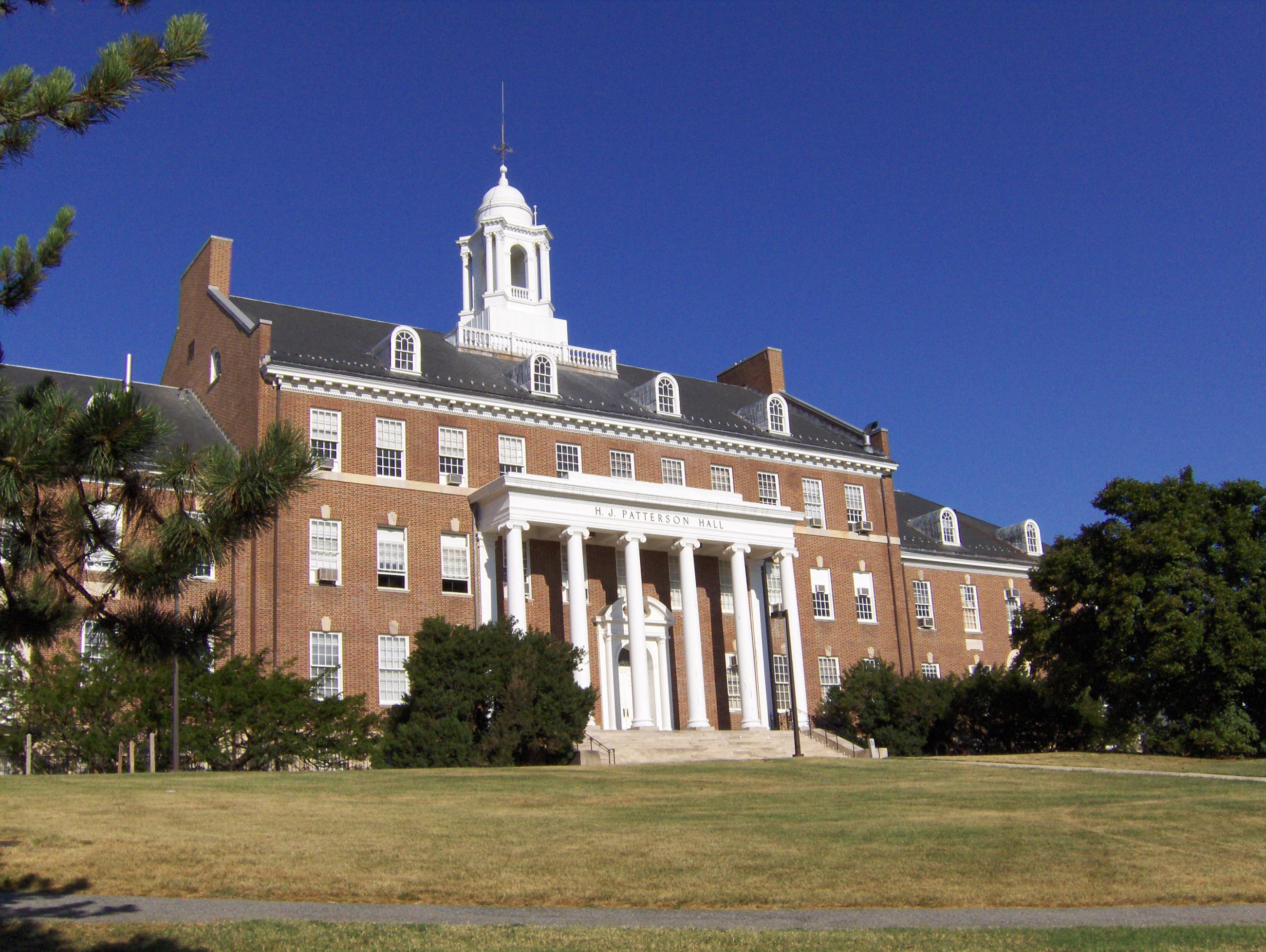
The Student Government Association at the University of Maryland at College Park recently voted to demand that the university declare itself a sanctuary campus for illegal immigrants. The resolution urges administrators and campus police to refuse cooperation with federal immigration enforcement.
Such demands are hardly novel—and they extend well beyond student governments. The faculty of Columbia Journalism School, for instance, recently backed Minnesota’s anti-ICE activism, framing the Trump administration as violently repressing constitutionally protected protests.
Moreover, so-called sanctuary campuses have proliferated across the country. A cursory Google search turns up Bowdoin College, New York University, the University of Chicago, and Pomona College, all of which admit students regardless of legal status and pledge to shield them from federal authorities.
The scale of the issue is substantial.
A 2023 report estimated that roughly 408,000 illegal immigrants are enrolled in American universities. As we (Gould) previously reported, that figure predates the surge in illegal crossings during the Biden administration, which itself redirected federal education grants intended for low-income U.S. citizens and legal residents to serve illegal immigrants.
Decades of inaction by both political parties on securing the border and reforming immigration policy ensured that illegal migration would spill into American universities.
Democrats tied themselves to a voting bloc increasingly reliant on government subsidies and promised illegal immigrants access to those same publicly funded benefits, treating them as a future constituency. Republicans often looked the other way on border security because the corporate interests backing them favored cheap labor and permissive labor policies. This is one coin with two faces, and universities wasted no time spending it.
Academia has cloaked its support for illegal migration in the language of social justice, but the incentives are more prosaic. Illegal migrants expand the pool of tuition-paying students, often on terms unavailable to American citizens, as in Texas, where, until only recently, they received in-state tuition. Their enrollment also proved useful, especially during the Biden administration, for reshaping campus demographics. Federal designations such as Hispanic-serving institution status reward colleges and universities that meet specific thresholds with preferential access to grants and public funding.
Most importantly, these actions shape how students come to understand law, authority, and citizenship.
They teach students that colleges and universities may defy the law with impunity while displacing American citizens who might otherwise have been admitted. They allow lawbreakers to further entrench themselves in a country whose laws they have already violated. More than that, sanctuary campuses ratify a familiar leftist conceit in which nations are treated as artificial constructions founded on force and privilege, and justice is said to require a globalized order that dismisses the laws, cultures, institutions, and traditions of the host country as illegitimate. Students shaped by this view come to regard immigration enforcement as immoral and defiance as virtuous.
As for the University of Maryland, its officials stated that the resolution will have no bearing on university policy or practice. Why should we believe them?
Jared Gould and Peter Wood write for the National Association of Scholars.