That Time When The Strait Of Hormuz Was Spanish
Four hundred years ago, the Strait of Hormuz was the linchpin of geopolitical, economic, and dynastic struggles, much as it is today.
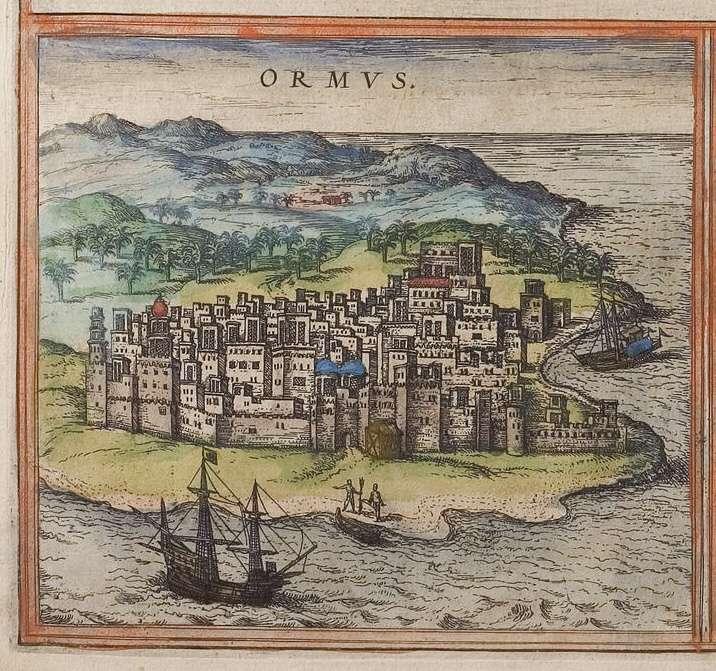
For more than four decades, one of the world’s most strategic maritime chokepoints—the Strait of Hormuz—was controlled by Catholic monarchs of the Iberian Peninsula, a little-known chapter in the global reach of early modern Christendom.
The episode dates back to the early 16th century, when the Portuguese commander Afonso de Albuquerque seized the island of Hormuz and secured it definitively in 1515. Long regarded as a critical hub for trade between Asia and Europe, the island was incorporated into the Portuguese Empire, which sought to dominate the lucrative spice routes.
Albuquerque fortified the enclave and dedicated its stronghold to Our Lady of the Conception. The island’s position at the entrance to the Persian Gulf allowed Portugal to regulate maritime traffic in a region vital to commerce.
Control of Hormuz passed into the hands of the Spanish monarchy in 1580, when the crowns of Portugal and Spain were united under Philip II during the Iberian Union. From that point until 1622, the strategic island and the strait it commanded fell under the authority of the Spanish Habsburgs.
At the time, naval power was central to the defense and expansion of European kingdoms. Charles V and his successors faced ongoing conflict with the Ottoman Empire, then led by Suleiman the Magnificent. Major confrontations such as the Great Siege of Malta and the Battle of Lepanto underscored the importance of controlling key maritime routes.
Hormuz played a significant role in that broader geopolitical contest. By holding the strait, Iberian powers could influence trade flows from India and the East, where spices were among the most valuable commodities in the world.
The island itself, however, was inhospitable—lacking fresh water and dependent on supplies from nearby territories. Despite these limitations, it became a major commercial center, drawing merchants from across Asia and Europe.
From Goa, the administrative capital of the Portuguese Estado da Índia, imperial authorities managed a network of fortified ports and trade routes. Catholic missionaries were also active in the region. Francis Xavier sent Jesuits to the Persian Gulf, while Augustinian friars established missions that extended into Persia.
The Iberian hold on Hormuz came to an end in 1622. Abbas I of Persia, ruler of Safavid Persia, launched a jihad against the island with support from Protestant Dutch and English forces seeking to weaken Iberian dominance in the region. The joint effort succeeded in capturing Hormuz, ending more than a century of Portuguese presence and decades of Spanish rule.
The loss highlighted the growing challenges facing the Spanish monarchy, which was simultaneously engaged in conflicts in Europe and the Americas. Portuguese efforts to recover the island were ultimately unsuccessful.
Following the conquest, trade shifted to the nearby mainland port of Bandar Abbas, developed under Persian rule. Hormuz itself declined in importance and gradually lost its role as a major commercial center.
Historians point to the episode as an example of both the global reach and the limits of Iberian power in the early modern period. At its height, the union of the Spanish and Portuguese crowns brought vast territories under a single Catholic monarch. Yet maintaining control over such a far-flung empire proved increasingly difficult in the face of rising rivals and shifting alliances.